Many organisations invest heavily in employee training, learning platforms, and development programs. Yet despite this, employee engagement and career progression often fall short of expectations.
So what’s missing?
In many cases, it’s not more training — it’s how career development is supported day to day.
Why employee career growth often stalls
Career development is often treated as a one-off activity:
- Annual performance reviews
- Occasional goal-setting sessions
- Standalone training programs
But real growth doesn’t happen once or twice a year. It happens through consistent support, clear direction, and everyday learning opportunities.
When this consistency is missing, employees lose momentum — even if great training is available.
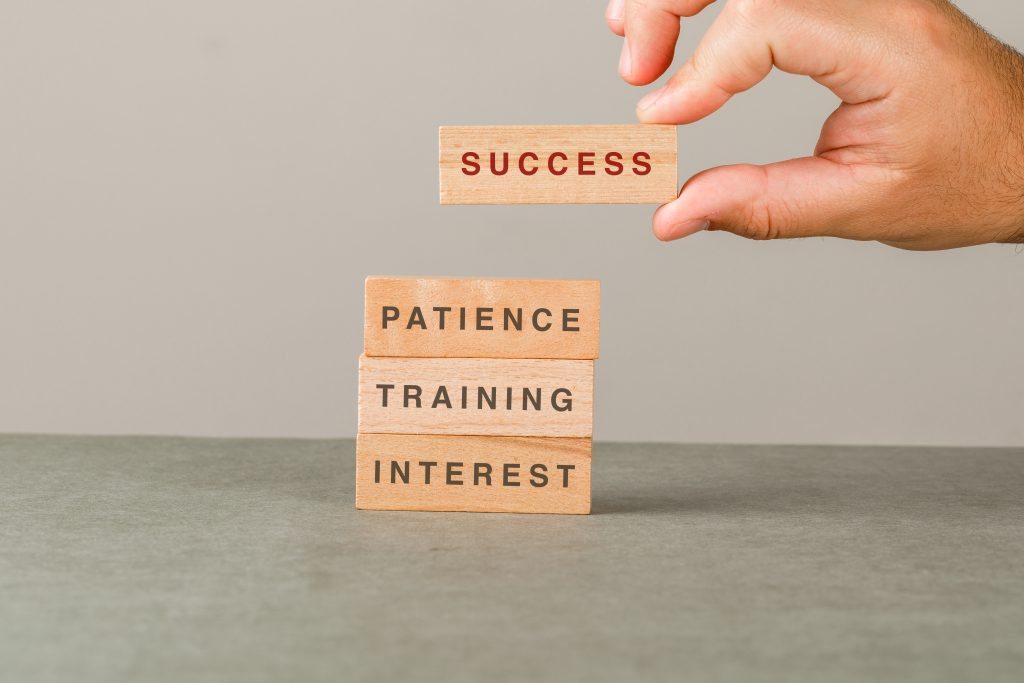
The role of managers in employee development
The biggest influence on employee growth isn’t your LMS or training catalogue.
It’s the manager.
Managers shape:
- How often development is discussed
- Whether goals stay relevant
- How confident employees feel progressing in their role
Organisations that prioritise manager-led development tend to see stronger engagement, better retention, and faster capability building.
6 practical ways managers can support career growth
These strategies are simple to implement and don’t require additional workload — just a shift in approach.
1. Make career conversations part of regular check-ins
Instead of waiting for annual reviews, integrate career discussions into existing one-on-one meetings.
Short, regular conversations help employees:
- Stay focused on their goals
- Raise challenges early
- Adjust direction as needed
Consistency is more effective than intensity.
2. Define career growth beyond promotions
Not every employee wants to move into management.
Career development can include:
- Building specialised expertise
- Taking on more complex work
- Expanding influence within a team
Helping employees define what success looks like for them improves engagement and ownership.
3. Set clear, flexible development goals
Effective career goals should be:
- Relevant to current work
- Focused on a few priorities
- Adaptable as roles evolve
Avoid overly complex frameworks. Clear, achievable goals are more likely to be completed.
4. Align development with future skills
Employees are more motivated when learning feels relevant.
Managers should connect development to:
- Industry trends (e.g. AI, automation)
- Business priorities
- Emerging skills needed in the organisation
This ensures career growth supports both the individual and the business.

5. Build a culture of continuous learning
Learning shouldn’t be limited to formal training.
Encourage:
- Knowledge sharing within teams
- Learning through projects
- Peer collaboration
When learning becomes part of daily work, employees are more likely to engage and apply new skills.
6. Keep goals visible and track progress
Career goals are often forgotten simply because they’re not revisited.
Encourage employees to:
- Document their goals
- Review them regularly
- Share progress during check-ins
Visibility creates accountability and helps maintain momentum.
Why this approach works
When managers actively support career development:
- Employee engagement increases
- Retention improves
- Skills gaps are addressed faster
- Teams become more adaptable
Most importantly, employees feel supported — which directly impacts performance.
Final thoughts
Employee growth doesn’t depend on more training programs.
It depends on how consistently development is supported within everyday work.
By embedding career conversations, goal-setting, and learning into regular management practices, organisations can create a more engaged, capable, and future-ready workforce.