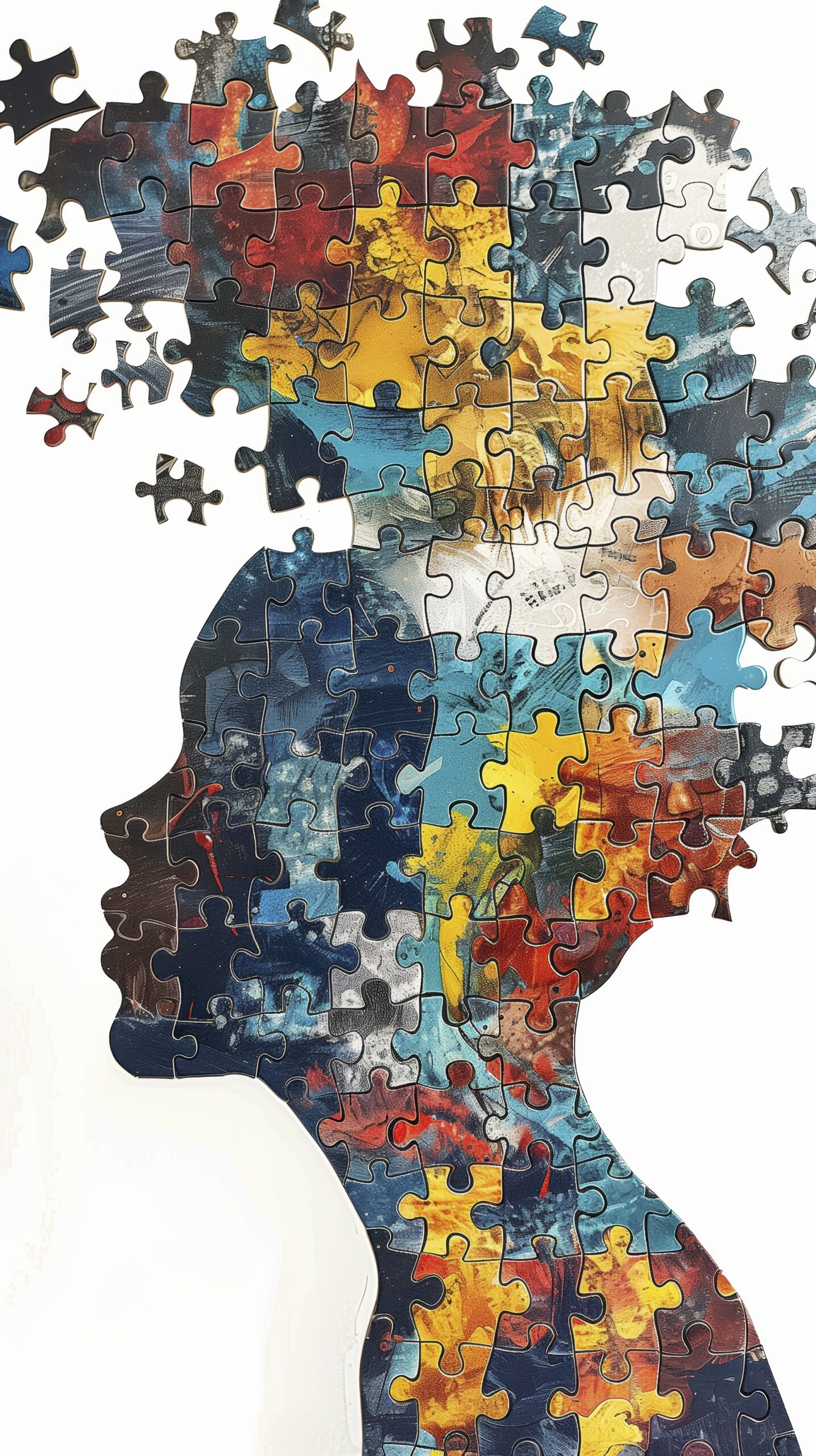
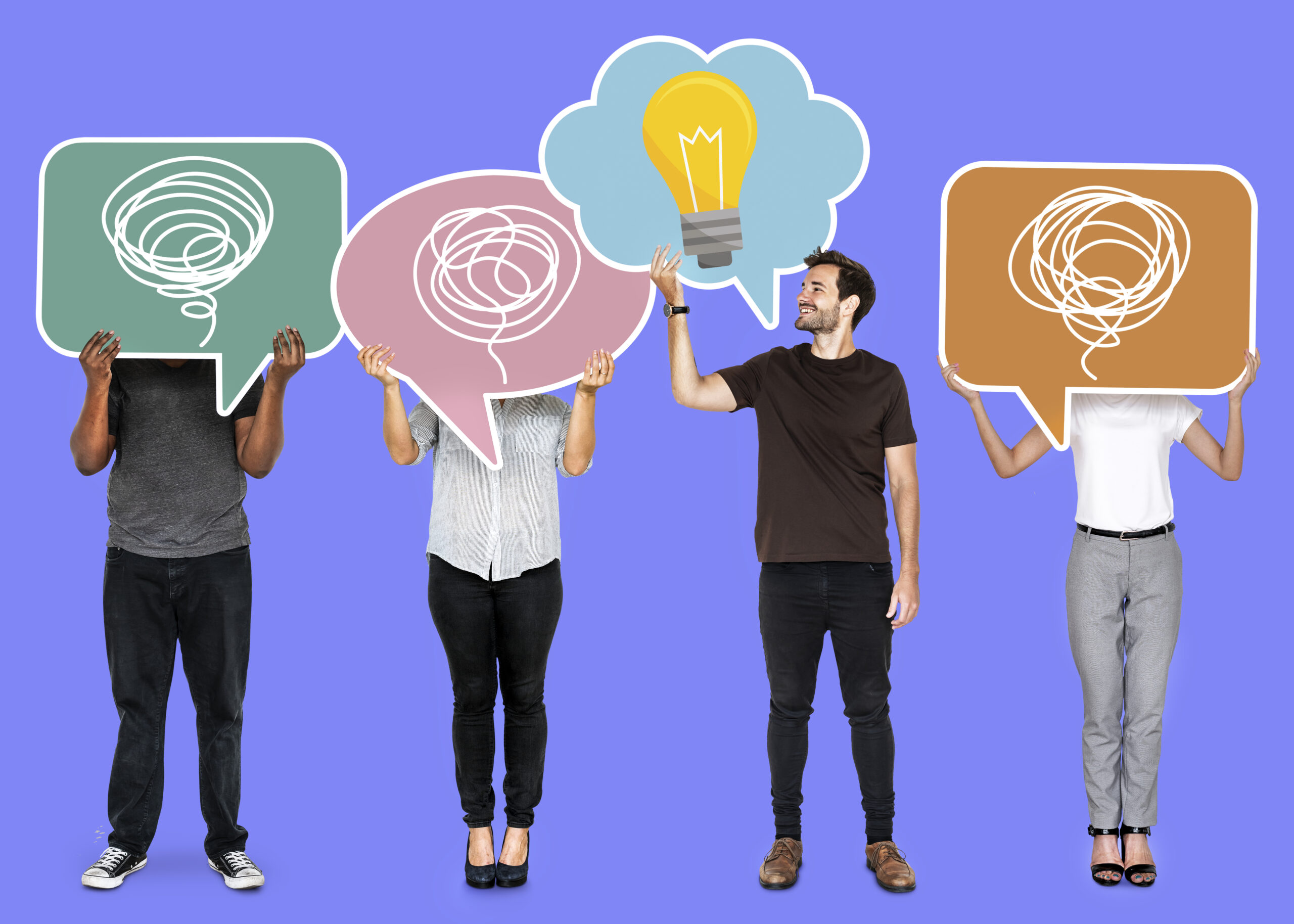
Around one in five people are neurodivergent.
That means every organisation has employees who process information, manage attention and solve problems differently. Yet many workplace learning programs are still built around a single assumption—that everyone learns the same way.
Long pages of text.
Lengthy eLearning modules.
One assessment.
One pace.
One learning experience for everyone.
The problem isn’t neurodiversity.
The problem is learning design that doesn’t reflect how people actually learn.
The organisations creating the best learning experiences aren’t building different courses for different people. They’re designing learning that’s more flexible, more engaging and more inclusive from the very beginning.
Neurodiversity Is Driving Better Learning Design
Neurodiversity isn’t a challenge to overcome.
It’s an opportunity to rethink how learning is designed.
Employees bring different strengths, experiences and ways of thinking into every learning experience. Some learn best by reading. Others retain information through video, discussion, practice or repetition.
When learning only caters for one approach, many learners are forced to spend more energy navigating the course than understanding the content.
Good learning design removes those unnecessary barriers.
Simplicity Improves Learning
Complexity is often mistaken for quality.
In reality, the opposite is usually true.
Courses filled with dense text, multiple concepts and confusing navigation increase cognitive effort before learners even begin processing the content.
Simple improvements can make a significant difference.
Clear headings.
Plain language.
Logical navigation.
Short learning activities.
Visible progress indicators.
These changes reduce cognitive overload and help learners focus on learning rather than working out what they’re supposed to do next.
Give Learners More Than One Way to Learn
No single learning format works for everyone.
Some learners prefer watching short videos.
Others absorb information more effectively by reading, listening or applying knowledge through practical activities.
The same applies to assessment.
A quiz may work well for one learner, while another demonstrates their understanding more effectively through workplace application, discussion or reflection.
Providing flexibility doesn’t lower standards.
It creates more opportunities for learners to succeed.
Learning Should Support Focus, Not Compete With It
Many workplace courses ask employees to process large amounts of information in one sitting.
Behavioural research tells us this simply isn’t how memory works.
Learning is far more effective when content is broken into smaller sections and reinforced over time.
Microlearning, scenario-based activities and spaced reinforcement all improve knowledge retention because they work with the way people naturally learn.
The result is training that employees are more likely to remember—and apply.
Technology Supports Inclusion
An LMS cannot create inclusive learning on its own.
However, it can provide the tools that make inclusive learning possible.
Personalised learning pathways, flexible content formats, accessibility features, progress tracking and mobile learning all help employees engage with learning in ways that suit their individual needs.
When combined with thoughtful learning design, technology becomes an enabler rather than a barrier.
Inclusive Learning Benefits Everyone
One of the biggest misconceptions about neuroinclusive learning is that it only benefits neurodivergent employees.
The reality is very different.
Clearer communication helps busy employees.
Flexible learning supports hybrid teams.
Shorter modules improve engagement across the workforce.
Better navigation reduces frustration for everyone.
The changes that improve learning for neurodivergent employees often improve learning for every learner.
That’s why inclusive learning design is simply good learning design.
The Future of Learning Is Flexible
As workplaces become more diverse, learning must become more adaptable.
The organisations leading the way are moving beyond one-size-fits-all training and creating learning experiences that recognise different strengths, different preferences and different ways of learning.
Because when employees feel supported, they engage more.
When they engage more, they remember more.
And when they remember more, organisations achieve better outcomes.
Ready to Design Learning That Works for Every Learner?
At mylearningspace, we help organisations create inclusive digital learning experiences that engage every learner. From Moodle LMS and Moodle Workplace implementations to learning experience design, accessibility reviews and custom eLearning development, we help organisations build learning ecosystems that are flexible, engaging and designed for today’s diverse workforce.
Contact us today to discover how inclusive learning design can improve learner engagement, strengthen workforce capability and maximise the value of your LMS.