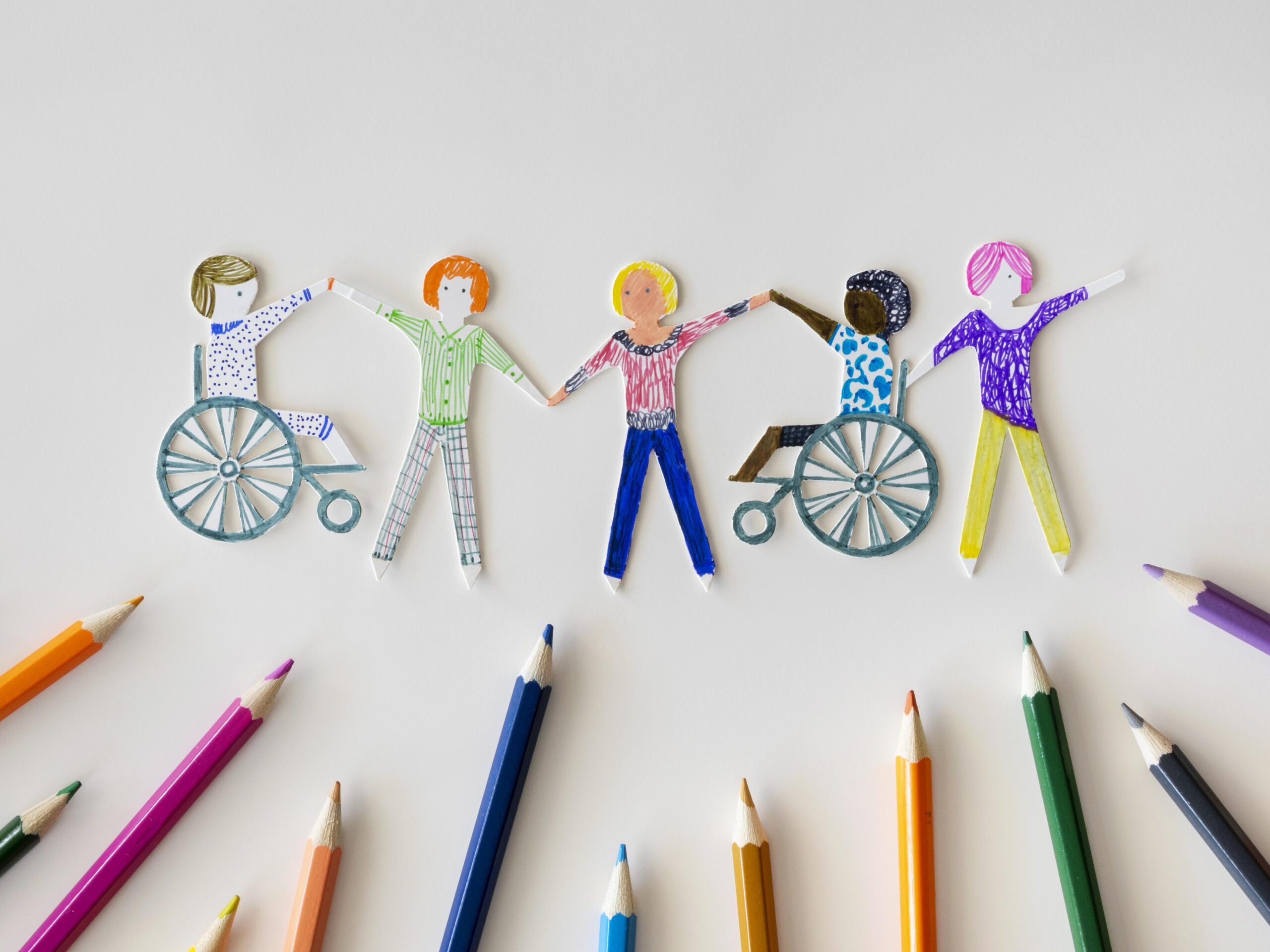
We live in a global, diversified world that is reflected in the workplace. So how can you make sure the images in your LMS reflect that diversity?
Many L&D managers will turn to stock photo images to fulfil that requirement. We’ve all seen stock photos on websites which are often targeting a specific demographic.
Generally, the photos that are supposed to reflect diversity often look like they are ripped out of the pages of slick advertisements in fashion magazines .
There are ways around this problem, including taking your own snaps. Digital photos can be taken on smart phones or tablets and downloaded to a desktop or cloud repository, then refined using any number of digital photo tools. There are also many digital cameras that will do the job and won’t cost a fortune. And they are so portable and small that you can take photos that actually reflect workplace diversity without making a big show of it. What a concept.
If you are taking your own photos, you also need to be aware of the various file formats for digital photos. The most common form is the jpeg file which is a digital compression format first introduced by the Joint Photographic Experts Group (jpeg). Another popular format is the png (portable network graphic). The good news is that digital stills won’t require a lot of bandwidth to deliver over the internet if that is how your LMS is going to be configured.
Some helpful hints if you do decide to take your own photos:
- Remove busy backgrounds to highlight the individual
- Use collages to communicate a feeling rather than calling attention to an individual stereotype
- Filter the photos to alter the mood
If you do decide to go take your own photos, make sure you clearly understand the legal framework for using images of the people you work with. You may need them to sign a standard model release form because you may need to use that image if that person moves on. And you don’t want to get embroiled in copyright infringement issues.
At its best, this type of organic image making can give employees a true sense they are buying into their own learning materials. Let’s say you are putting together a training package involving workplace health and safety. Ideally you would want to use the onsite employees who need to know how to perform the tasks. If you map out a photographic sequence beforehand using SME’s, you’ll save a bundle, communicate the workplace diversity, and add the real dimension that only in situ photography can give you.
If you decide to go with stock photos because you just don’t have the time to do it, there are a number of agencies that have a good reputation. They include: Blackstock, Lean In collection of Getty Images, Blend Images and Offset by Shutterstock.